
ASME B16.9 vs EN 10253: comparing butt-weld fitting standards
ASME B16.9 and EN 10253 both govern butt-weld fittings, but they do not cover the same ground. This guide compares their scope, their steels and their uses.
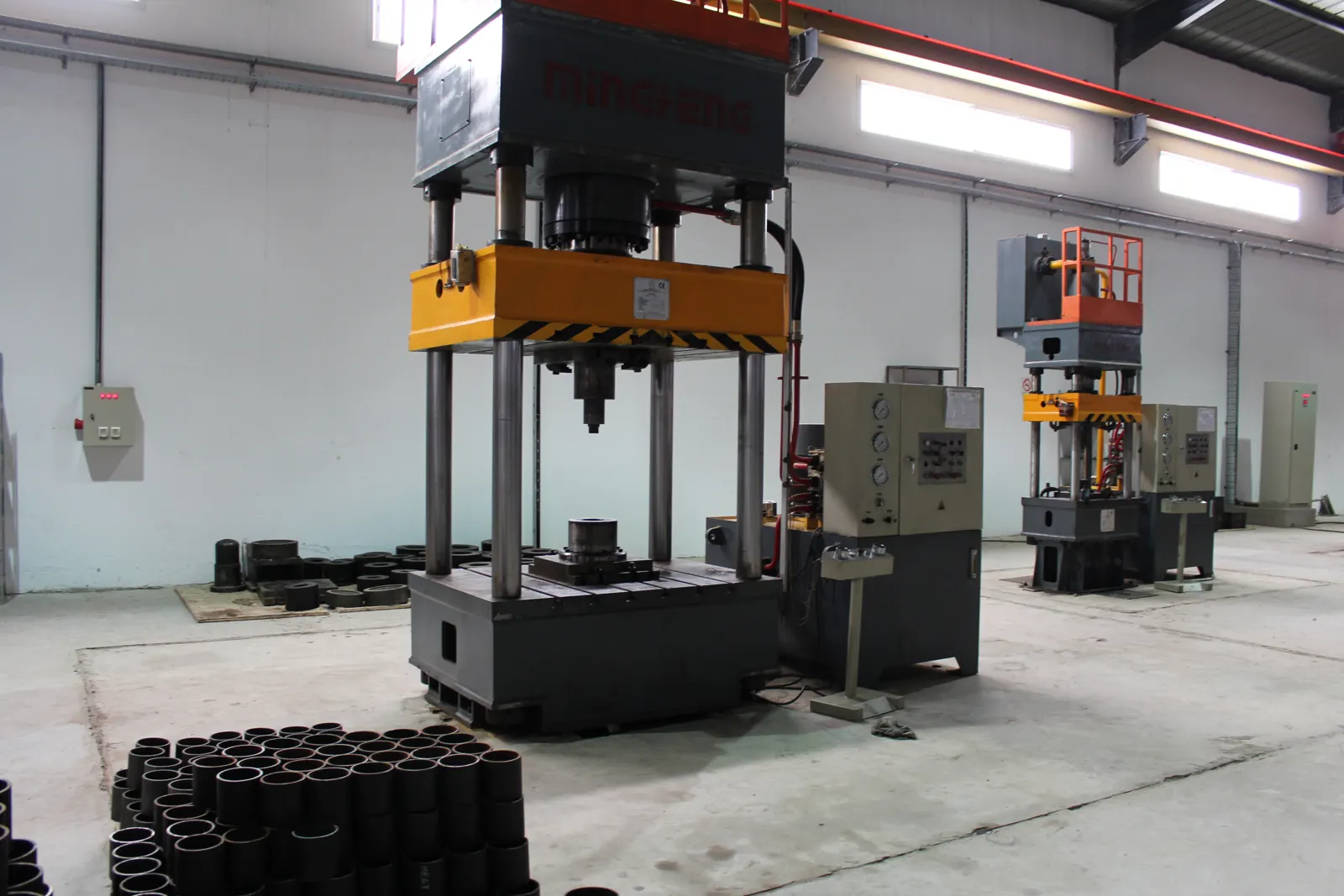
Two standards built differently
ASME B16.9 is a dimensional standard. It sets the dimensions and tolerances of factory-made wrought butt-welding fittings (centre-to-end, diameters and walls at the ends, squareness) and the marking rules, but it does not choose the steel: that comes from a material specification, usually ASTM A234 (grade WPB for carbon steel).
EN 10253 covers dimensions, steel, inspection and inspection documents in one document. It has four parts:
| Part | Steels | Inspection |
|---|---|---|
| EN 10253-1 | Non-alloy steels (S235, P235…) | Without specific inspection requirements |
| EN 10253-2 | Non-alloy and ferritic alloy steels (P235GH, P265GH, 16Mo3…) | With specific inspection requirements; types A and B |
| EN 10253-3 | Austenitic and austenitic-ferritic stainless steels | Without specific inspection requirements |
| EN 10253-4 | Austenitic and austenitic-ferritic stainless steels | With specific inspection requirements |
In EN 10253-2, type A fittings have a reduced pressure capacity compared with pipe of the same wall, while type B fittings are designed for the pipe’s full service pressure.
Point by point
| ASME B16.9 | EN 10253-1 | |
|---|---|---|
| Origin | United States (ASME) | Europe (CEN) |
| Scope | Dimensions, tolerances, marking | Dimensions, steel, inspection, documents |
| Sizes given as | NPS (inch) and schedule or STD / XS | Outside diameter × wall in mm |
| Diameter series | ASME B36.10 | EN 10220 |
| Steel in our range | A234 WPB (ASTM A234) | S235 |
| Walls | STD and XS, heavier walls | European series, lighter walls |
| Elbows | Long radius "1.5D", short radius 1D (B16.28) | Types 2D, 3D, 5D; 3D is the long radius |
| Reducers | One length per large end | Form 1 and Form 2 |
| Our finishes | Painted | Black or galvanized |
| Typical uses | Oil, gas, chemicals, power, process | Water, heating, fire protection, irrigation, industry |
The two steels in our range
A234 WPB is the ASTM A234 carbon steel grade for wrought fittings intended for moderate and elevated temperature service. S235 is a non-alloy structural steel used by EN 10253-1.
| Property | A234 WPB | S235 |
|---|---|---|
| Minimum yield strength | 240 MPa | 235 MPa (wall ≤ 16 mm) |
| Tensile strength | 415 to 585 MPa | 360 to 510 MPa |
| Carbon | ≤ 0.30% | low, weldable steel |
| Manganese | 0.29 to 1.06% | — |
| Silicon | ≥ 0.10% | — |
ASTM A234 values for WPB; usual mechanical values for S235. Measured values for each heat are on the 3.1 certificate.
Both steels weld without particular difficulty. The real difference lies in wall thickness and in the project’s documentation requirements.
How to choose
- Follow the pipe. A line in EN 10220 or EN 10255 pipe calls for EN 10253 fittings; a line in Sch 40, Sch 80, STD or XS calls for ASME B16.9.
- Follow the specification. In oil, gas and chemicals, ASME B16.9 and ASTM A234 are often required; European pressure equipment may call for EN 10253-2.
- Consider the environment. For installations exposed to moisture, our EN 10253-1 fittings come hot-dip galvanized.
The same DN does not make the same fitting: at DN 100, a 114.3 × 3.6 S235 and a 4" STD A234 WPB share the outside diameter but not the wall (3.6 mm against 6.02 mm).
Common mistakes
- Writing "EN standard" without the part: EN 10253-1 and EN 10253-2 do not require the same inspection.
- Assuming ASME B16.9 defines the steel: the material specification must be stated too (ASTM A234 WPB, for example).
- Replacing an ASME part with an EN part of the same DN without checking outside diameter and wall.
Standards and references
- ASME B16.9: factory-made wrought butt-welding fittings.
- ASTM A234: carbon and alloy steel fittings (grade WPB).
- EN 10253-1 to -4: butt-welding pipe fittings.
- ASME B16.28: short radius elbows (1D).
Frequently asked questions
Can ASME and EN fittings be mixed on one line?
Only if diameters and walls match and the specification allows it. In practice, one line keeps one standard.
Is EN 10253-1 suitable for pressure equipment?
For equipment with specific inspection requirements, EN 10253-2 is used, or ASME B16.9 with the steel required by the project.
Why A234 WPB rather than a structural steel?
It is specified for wrought fittings in pressure service, with composition and tests governed by ASTM A234.
Which certificate comes with your fittings?
An EN 10204 3.1 inspection certificate, for both standards, with the heat number marked on each part.
Read next
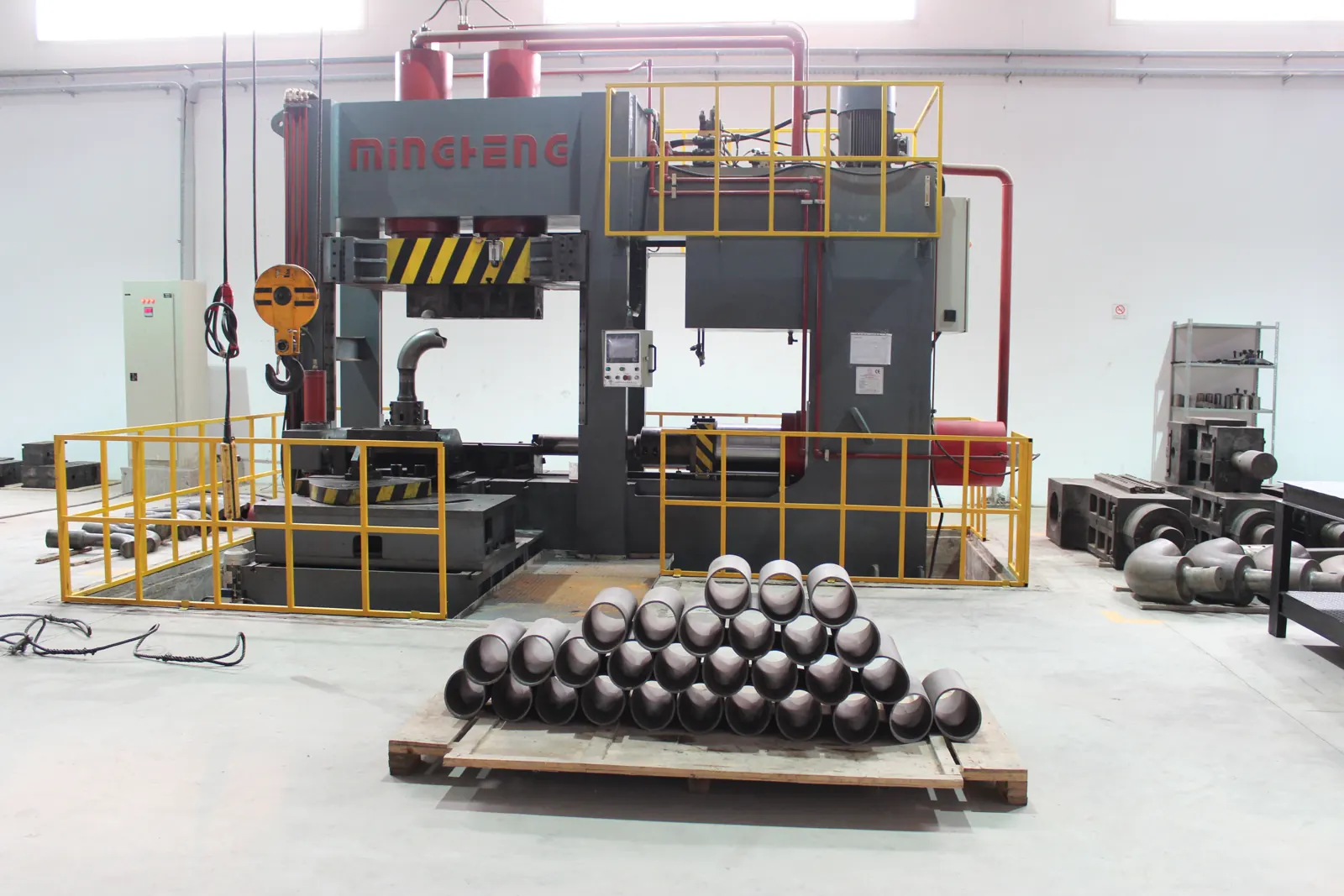 Butt-weld fitting wall thickness: schedules, STD, XS and millimetresSTD / XS / Sch 40 / Sch 80 chart from ½" to 12", EN 10253-1 walls and what to do when walls differ.
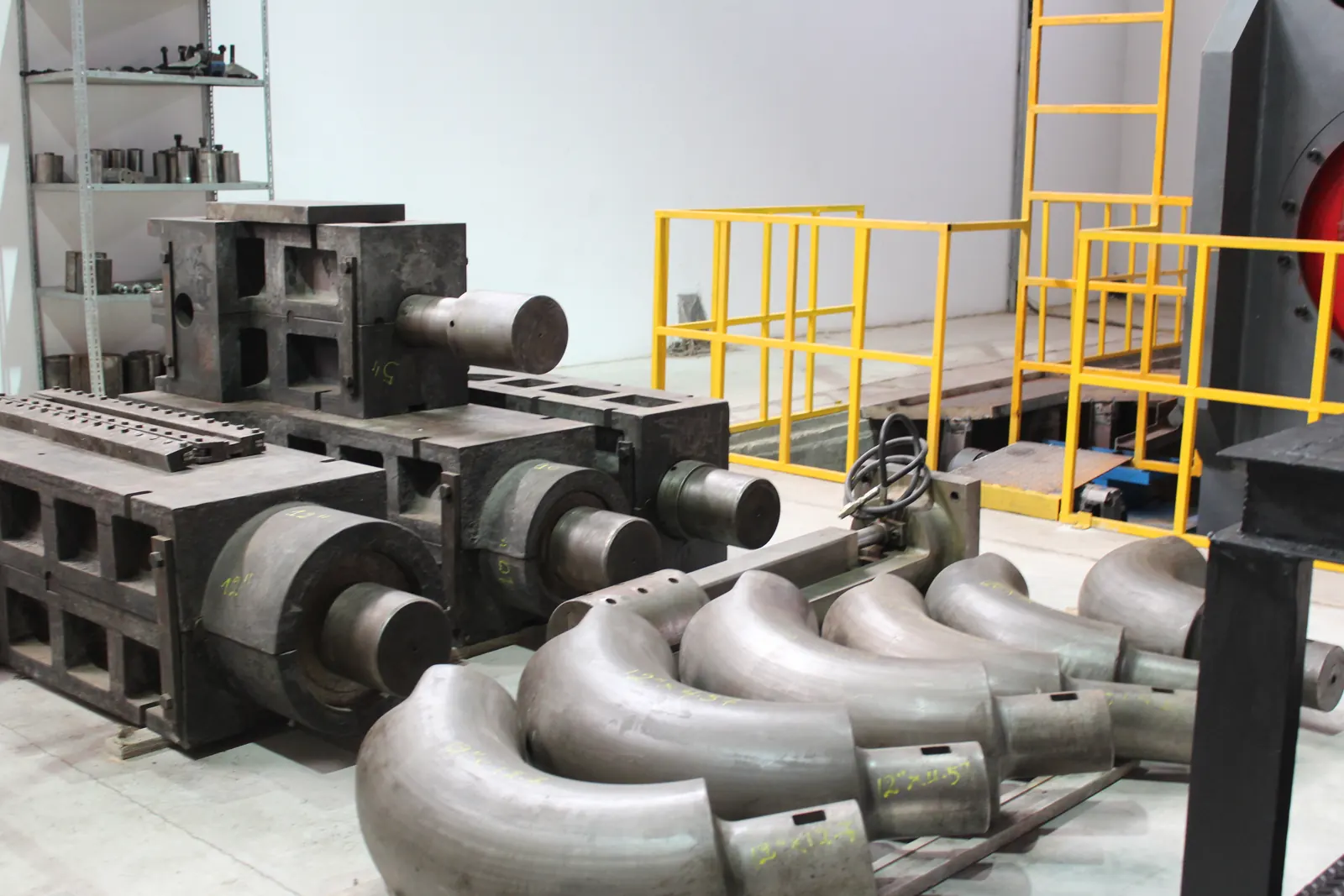 DN, NPS and outside diameter: pipe and fitting size chartDN / NPS / OD chart for the EN and ASME series, and the five sizes where they differ.