
Butt-weld elbows: radii, 1.5D and 3D designations, dimensions and selection
1.5D, 3D, LR, short radius: elbows are named differently depending on the standard. This guide maps the designations, gives the ASME B16.9 dimensions and shows how an elbow is formed.
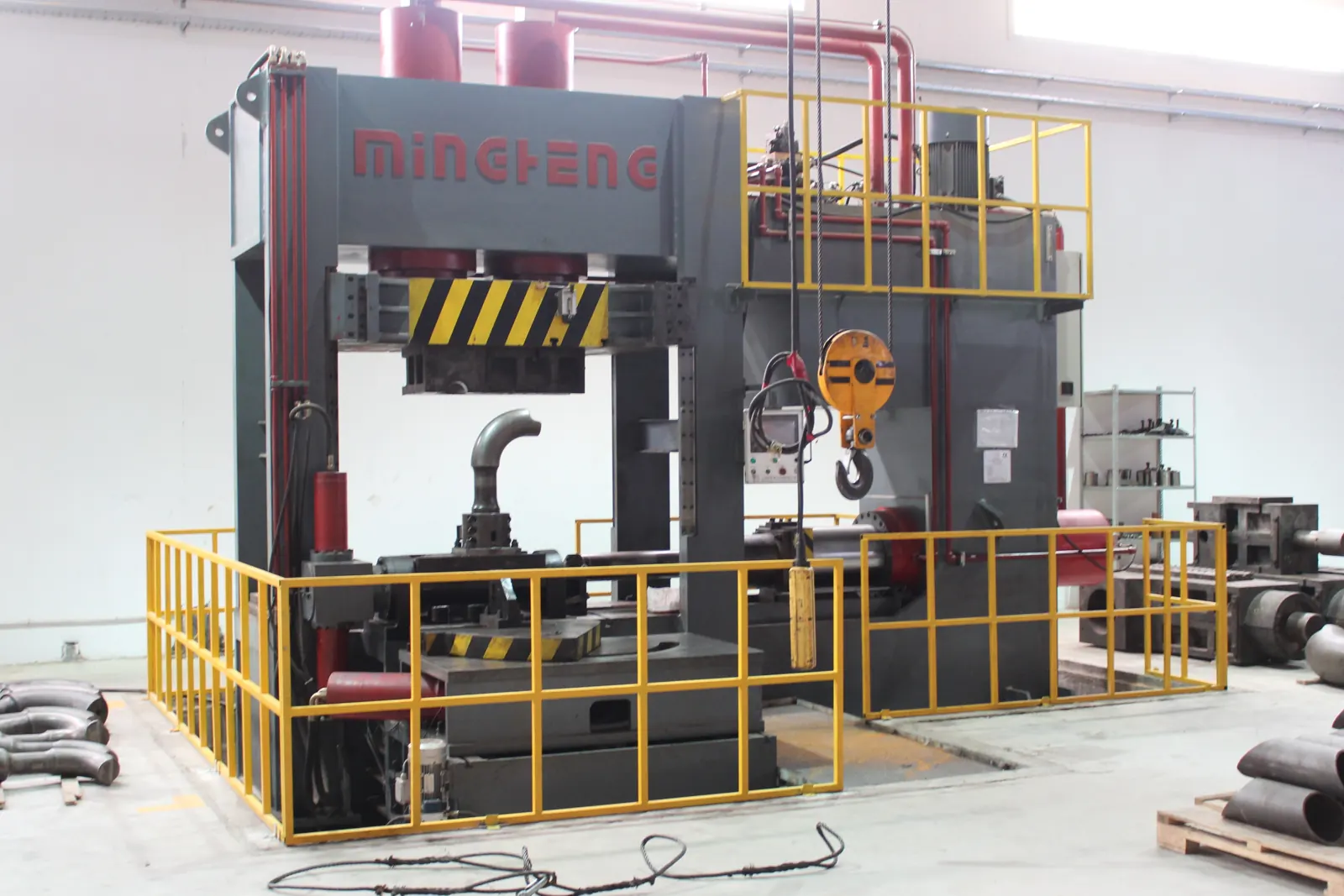
Two standards, two ways of naming the radius
An elbow’s radius is measured at the centreline, from the centre of the bend to the pipe axis. The standards express it differently, and that is the first source of confusion on orders.
| Standard | Designation | Radius | Use |
|---|---|---|---|
| ASME B16.28 | Short radius (SR, 1D) | 1 × nominal size | Very congested areas |
| ASME B16.9 | Long radius (LR, "1.5D") | 1.5 × nominal size (152 mm at 4") | Standard for process lines |
| EN 10253 | Type 2D | Short radius | Reduced space |
| EN 10253 | Type 3D | Long radius (152 mm at 114.3) | Standard for European networks |
| EN 10253 | Type 5D | About 2.5 × diameter | Large sweeps |
The EN 10253 "3D" does not mean "a radius of three times the diameter". At 114.3 mm a type 3D elbow has a 152 mm radius, exactly like a 4" long radius (1.5D) elbow to ASME B16.9. Both designations describe the same long radius elbow.
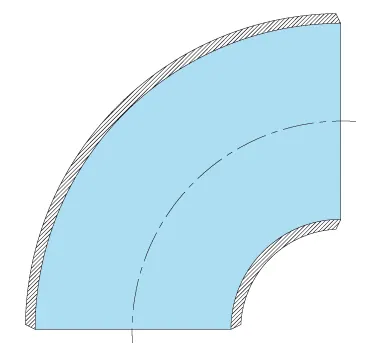
The long radius elbow, standard for piping
The long radius elbow is the default on process, water, gas, steam and compressed air lines. Its radius balances space and pressure drop: the flow changes direction without marked separation and the part stays compact. We make it in two versions:
- ASME B16.9, designation 1.5D, in A234 WPB, STD and XS walls, painted;
- EN 10253-1, designation 3D, in S235, seamless or welded, black or galvanized.
ASME B16.9 centre-to-end dimensions
Dimension A of a 90° long radius elbow runs from the centreline of one end to the face of the other. It is 1.5 times the nominal size in inches from 1"; at ½" and ¾" it stays at 38 mm. Dimension B of a 45° elbow is measured the same way, to the intersection of the centrelines.
| NPS | OD (mm) | 90° LR elbow, A (mm) | 45° LR elbow, B (mm) |
|---|---|---|---|
| ½" | 21.3 | 38 | 16 |
| ¾" | 26.7 | 38 | 19 |
| 1" | 33.4 | 38 | 22 |
| 1¼" | 42.2 | 48 | 25 |
| 1½" | 48.3 | 57 | 29 |
| 2" | 60.3 | 76 | 35 |
| 2½" | 73.0 | 95 | 44 |
| 3" | 88.9 | 114 | 51 |
| 4" | 114.3 | 152 | 64 |
| 5" | 141.3 | 190 | 79 |
| 6" | 168.3 | 229 | 95 |
| 8" | 219.1 | 305 | 127 |
| 10" | 273.0 | 381 | 159 |
| 12" | 323.8 | 457 | 190 |
Centre-to-end of long radius elbows to ASME B16.9; tolerance ± 2 mm up to 18". The EN 10253 type 3D elbow has a radius of the same order (152 mm at 114.3).
How the elbow is formed
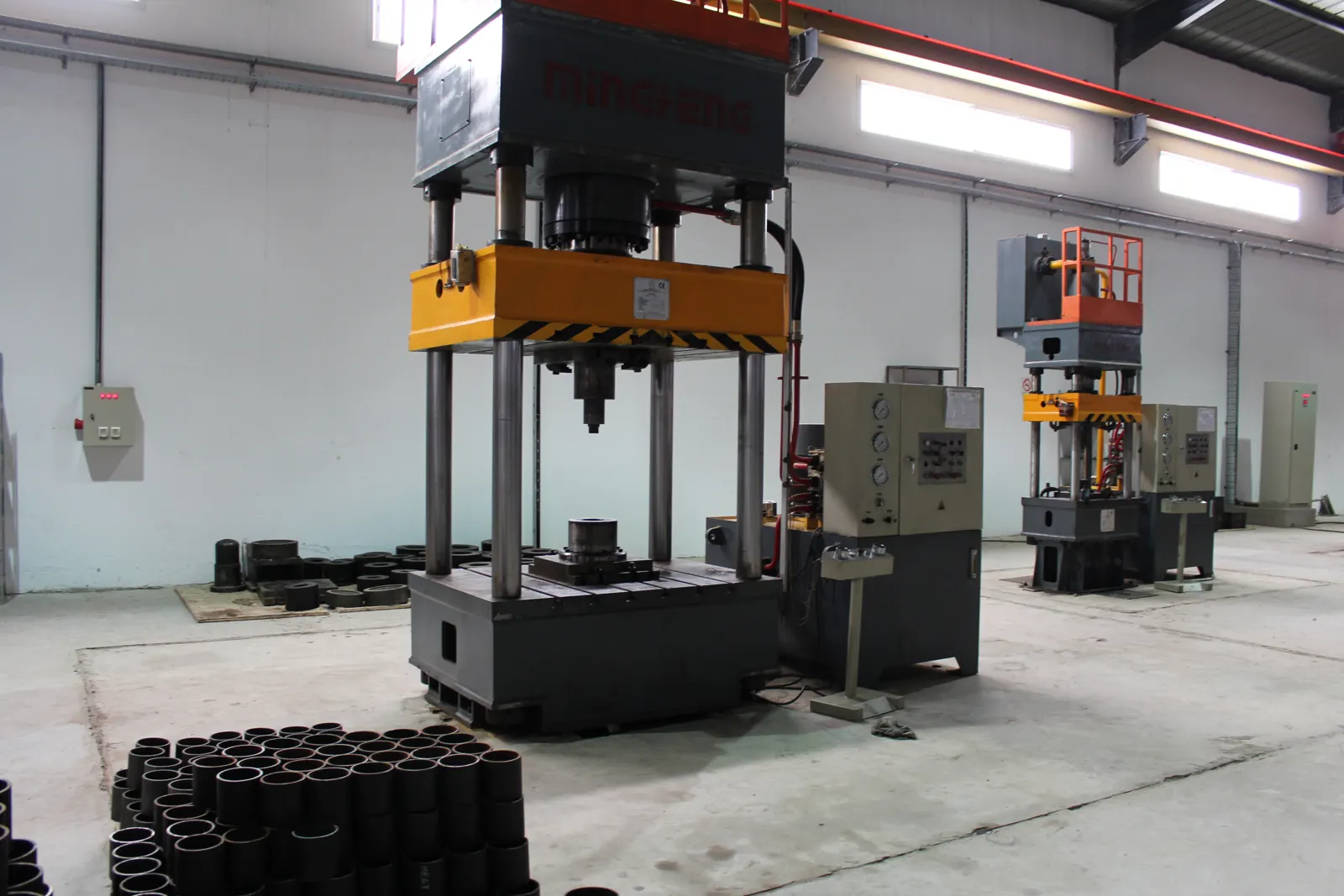
At the plant, pipe is first sawn into sections, then each section is formed under a press in tooling made for that size. The elbow is then normalised in the furnace, sized, and its ends are bevelled for welding.
Forming changes the wall along the elbow: it thins slightly at the extrados and thickens at the intrados. ASME B16.9 therefore sets a minimum wall at any point, equal to 87.5% of the nominal wall.
Short radius, 45° elbows and large sweeps
The short radius elbow (1D, ASME B16.28) saves room in congested areas at the cost of more pressure drop; keep it for places where a long radius will not fit. The 45° elbow offsets a line or takes it around an obstacle: two 45° elbows in a row soften a change of direction. For a sweep larger than the long radius (type 5D in EN 10253), the part is made to drawing.
Which elbow for which situation
| Situation | Recommended elbow |
|---|---|
| Process, gas or steam line sized to ASME | 90° long radius 1.5D, A234 WPB, STD or XS |
| Water, irrigation or fire line in S235 | 90° type 3D EN 10253-1, black or galvanized |
| Getting around a beam or another line | Two 45° elbows |
| Very tight space | Short radius 1D, on request |
| Gentler sweep than long radius | Type 5D or special radius, to drawing |
What to state on the order
- The angle: 90° or 45° (other angles to drawing).
- The radius with its standard: 1.5D ASME B16.9 or type 3D EN 10253-1.
- Outside diameter and wall (or NPS and STD / XS).
- Grade, finish and quantity (50 pieces minimum per reference).
Common mistakes
- Reading "3D" as "three times the diameter" and allowing twice the space needed on the drawing.
- Ordering an elbow without the standard of its radius: 1.5D and 3D only compare once you know which standard is meant.
- Cutting a 90° elbow into two 45° pieces: the ends are no longer square or bevelled.
Standards and references
- ASME B16.9: long radius elbows, dimensions and tolerances.
- ASME B16.28: short radius elbows.
- EN 10253-1 and EN 10253-2: type 2D, 3D and 5D elbows.
Frequently asked questions
Does a 3D elbow have a radius of three times the diameter?
Not in EN 10253: there, type 3D is the long radius elbow, with a 152 mm radius at 114.3 mm, like the ASME 1.5D.
What does LR mean?
Long Radius: a radius of 1.5 times the nominal size. It is the ASME B16.9 1.5D elbow.
Can an EN type 3D elbow replace an ASME 1.5D?
The radius is of the same order, but steel, wall and diameter may differ. Follow the standard of the pipe.
Do you make other angles or radii?
Yes, to drawing: 22.5°, 30°, 60°, special radii.
What is the centre-to-end tolerance?
± 2 mm for ASME B16.9 long radius elbows up to 18".
Read next
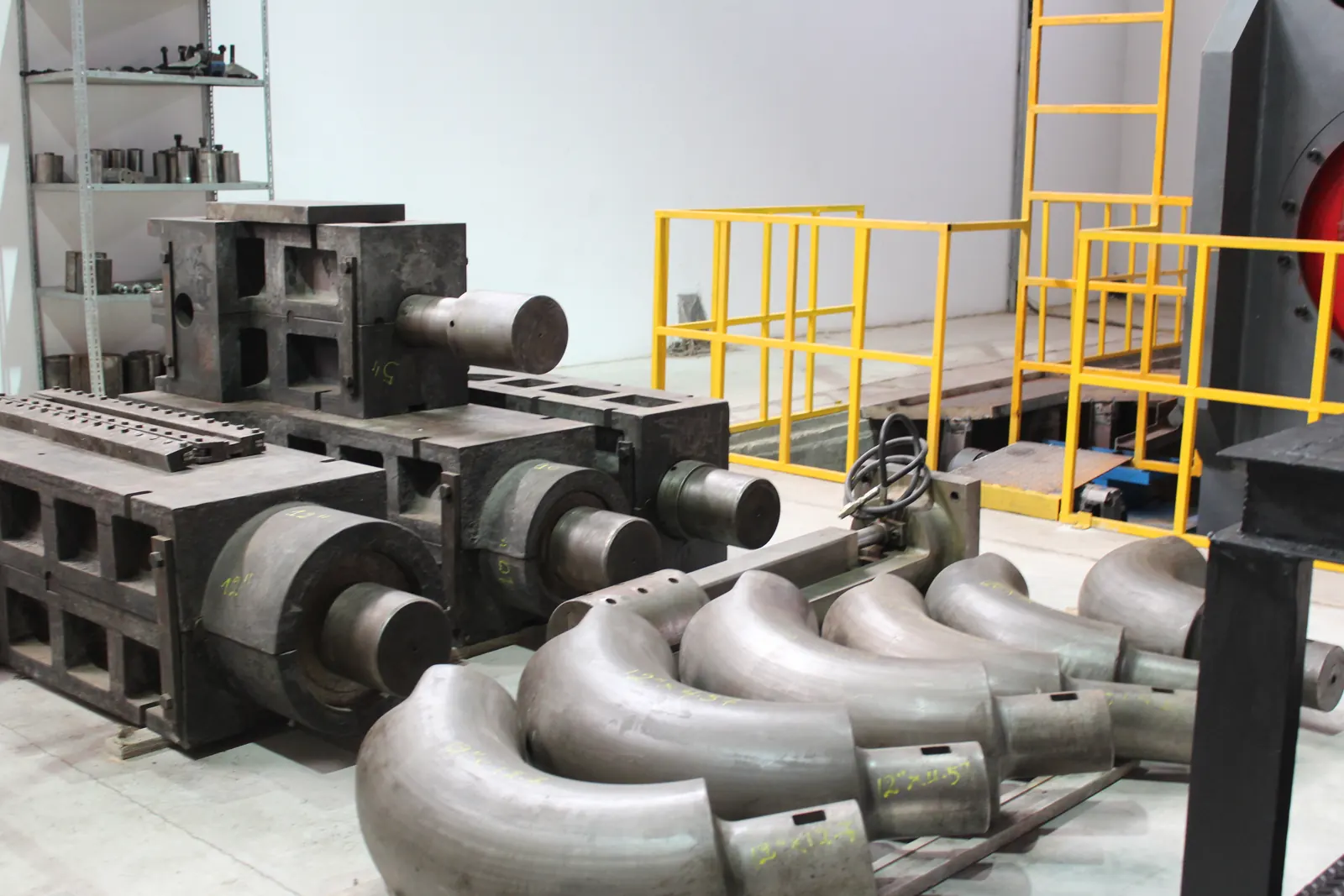 DN to inch, NPS and outside diameter: pipe and fitting size chartDN / NPS / OD chart for the EN and ASME series, and the five sizes where they differ.
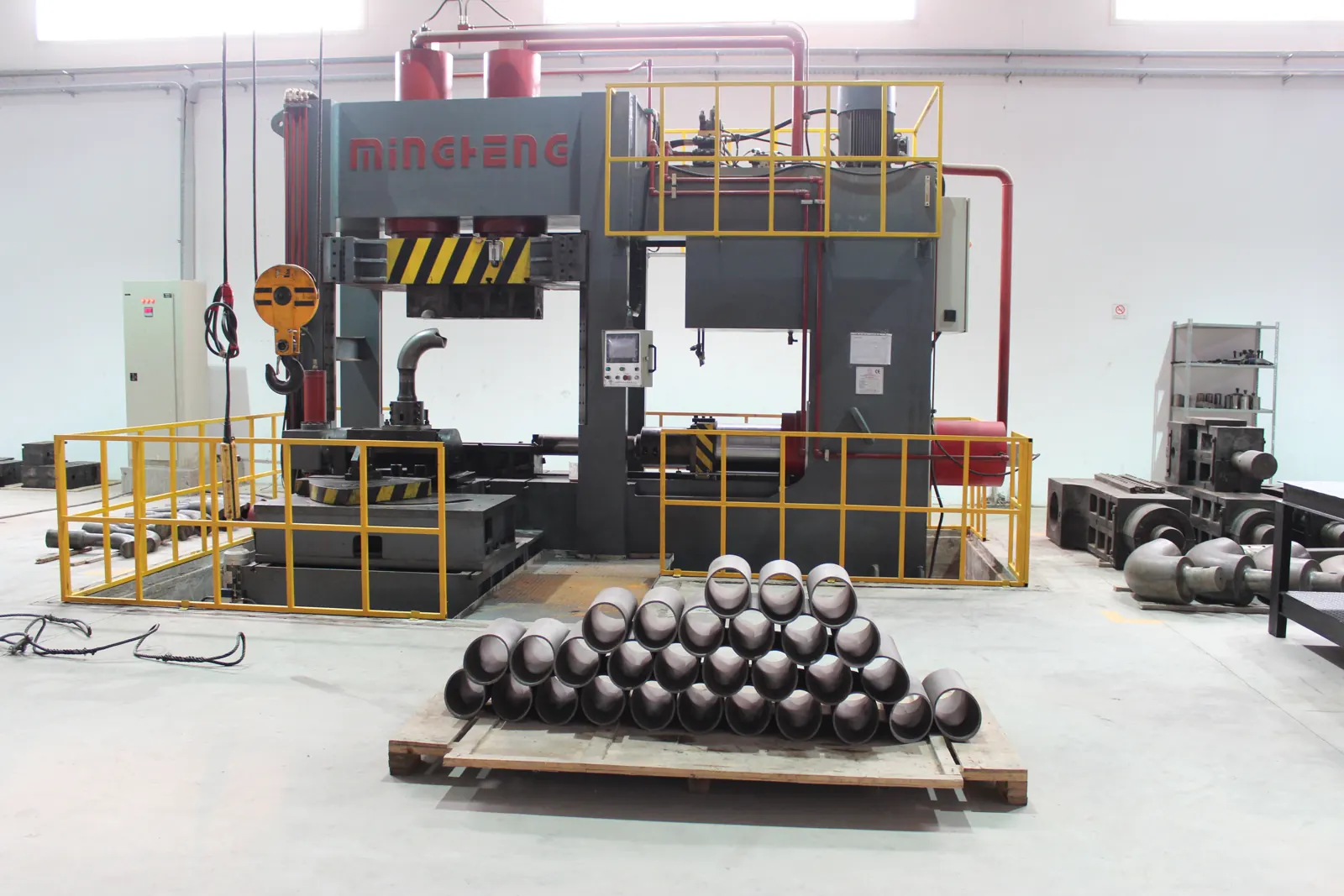 Butt-weld fitting wall thickness: schedules, STD, XS and millimetresSTD / XS / Sch 40 / Sch 80 chart from ½" to 12", EN 10253-1 walls and what to do when walls differ.
 ASME B16.9 vs EN 10253: comparing butt-weld fitting standardsScope of each standard, EN 10253 parts, A234 WPB and S235 steels, and how to choose.